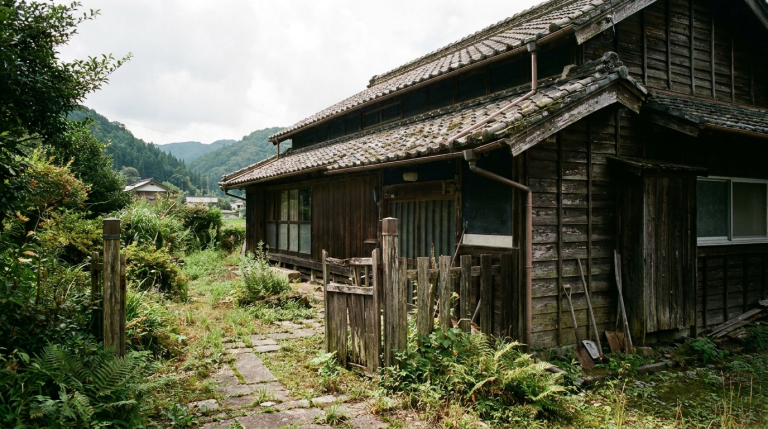
Japan’s renovation market is shifting, driven by rising costs of new builds, regulatory changes, and a surplus of vacant homes (akiya). Here’s what you need to know:
- Traditional Homes: Built before 1950, these feature wood joinery, tatami mats, and designs that harmonize with nature. Renovations focus on preserving craftsmanship while addressing seismic safety and insulation challenges.
- Modern Homes: Constructed with conventional materials, these renovations prioritize energy efficiency, seismic upgrades, and open layouts. Renovations often include smart tech and durable materials.
- Why Renovate? Renovations cost less than rebuilding, cut CO₂ emissions by nearly 50%, and often preserve lower property taxes. By 2025, 44% of Japanese homeowners chose this route.
- For Investors: Traditional homes suit boutique projects like guesthouses, while modern homes cater to long-term rentals. Both require navigating strict building codes and compliance.
Quick Comparison
| Aspect | Traditional Renovations | Modern Renovations |
|---|---|---|
| Materials | Natural (wood, tatami, clay) | Engineered wood, steel, modern insulation |
| Costs | High for preserving historical features | Moderate, focused on energy efficiency and durability |
| Design | Flexible layouts, sliding partitions | Fixed layouts, open-plan spaces |
| Energy Performance | Passive cooling, poor winter heating | Advanced insulation, efficient HVAC systems |
| Seismic Safety | Requires upgrades for pre-1981 homes | Often compliant, lighter materials used |
| Investment Potential | Niche markets (share houses, boutique stays) | Long-term rentals, urban tenants |
Whether you’re preserving history or upgrading for efficiency, renovation choices depend on budget, location, and tenant needs. Hybrid approaches combine the best of both worlds, blending heritage features with modern comforts.

Traditional vs Modern Japanese Home Renovations Comparison
Traditional Japanese Renovation Approach
Design Principles and Room Layouts
Traditional Japanese renovations are deeply rooted in principles of Zen, emphasizing simplicity, tranquility, and practicality. A key concept here is kanso – the idea of simplicity – which ensures spaces remain flexible and free of clutter. As Georgina Wilson, Principal at Georgina Wilson Architects, puts it:
Japanese design is grounded in elegance and simplicity, with a profound respect for craft, materials, and proportion.
One hallmark of traditional Japanese interiors is their adaptability. Take the washitsu (traditional room), for example. It can shift from a dining area to a sleeping space just by rearranging lightweight furniture and rolling out futons. Sliding partitions, such as fusuma (opaque doors) and shoji (translucent paper screens), make it easy to adjust room sizes based on the occasion.
Another standout feature is the engawa, a wooden veranda that creates a seamless connection between indoor and outdoor spaces. This transitional zone often frames beautiful views of gardens, reinforcing the close relationship between the home and nature. Inside, the tokonoma – a raised alcove used to display seasonal scrolls or ikebana (flower arrangements) – acts as the spiritual centerpiece of the room.
This focus on flexible design and harmony with nature sets the foundation for the careful material selection and craftsmanship that follow.
Materials and Craftsmanship
Traditional Japanese renovations rely heavily on natural, breathable materials that help regulate indoor humidity. Wood, especially cypress and cedar, is a favorite. Instead of painting, it’s typically stained to highlight its natural grain. Unique joinery techniques like kanawatsugi – which avoid nails – allow wooden structures to flex during earthquakes, adding resilience.
Tatami mats, crafted from igusa (rush grass), are another essential element. These mats not only provide natural climate control but also serve as a unit of measurement for room dimensions, thanks to their precise 2:1 length-to-width ratio.
Other materials include washi (Japanese paper) for shoji screens, clay for walls, and traditional roof tiles that can last over a century. As Peter Miles, Principal at The Drawing Board, Inc., explains:
Spatial planning, joinery, and proportion are inseparable in the Japanese approach.
Preserving original timber beams and pillars is often a priority during renovations. These elements, made from high-quality wood, add character and charm to the interior. Techniques like yaki-sugi, which involves charring cedar for exterior walls, enhance durability and provide natural insect resistance.
While these materials and techniques are steeped in tradition, modern renovations must also address contemporary safety and efficiency standards.
Structural and Regulatory Challenges
Restoring historical homes brings unique challenges, particularly when balancing preservation with modern safety requirements. One of the biggest concerns is seismic safety. Many minka (traditional houses) were built before the 1950 Building Standards Law or the updated 1981 Earthquake-Proofing Standards. As a result, seismic evaluations are a must. Older homes often have foundations that rest on stones without concrete bases, necessitating reinforcements like seismic dampers to ensure stability while maintaining the wood’s natural flexibility.
Additionally, Japan’s strict construction laws require a design office to oversee certain types of work. Contractors or amateurs cannot legally handle structural modifications on their own.
Another issue is thermal inefficiency. Traditional designs prioritize summer ventilation through high ceilings and open layouts, but this makes heating during winter a challenge. To improve energy efficiency, insulation made from materials like sheep’s wool or recycled cotton can be added without sacrificing the structure’s breathability. Replacing heavy traditional tile roofs with lighter options, such as slate or metal, also reduces strain on the building during earthquakes.
Renovation costs, including seismic upgrades, typically range from ¥500,000 to ¥1,500,000 ($3,350–$10,050). Fortunately, many local governments offer financial incentives for seismic retrofitting and energy-efficient improvements.
Modern Japanese Renovation Approach
Contemporary Design and Layout Trends
Modern Japanese renovations often embrace open-plan layouts, merging kitchens, dining rooms, and living spaces into one cohesive area. This design shift moves away from the traditional use of partitioned rooms, offering a more spacious and flexible environment that aligns with modern lifestyles and appeals to tenants accustomed to Western-style homes.
One popular trend is Japandi, a fusion of Japanese minimalism and Scandinavian functionality. This style emphasizes neutral tones, natural materials, and clean, uncluttered spaces. As Dave Wherry, President of Progressive Design Build, puts it:
When we design a space according to the Japanese aesthetic, we focus on removing the unnecessary to highlight the essential.
Renovations often mix traditional wooden elements with modern materials like steel, colored glass, and expansive windows. Some designs even incorporate tatami flooring within a Western-style framework. Architect Keiji Ashizawa describes his approach to blending old and new:
With a renovation project, my design philosophy calculates the [existing] plus the [new design], which equals a total of two. As long as we can maintain the existing well and insert the modern design nicely, we can make something new.
This modern perspective offers a distinct counterpoint to traditional renovation methods, opening up opportunities to evaluate both approaches side by side.
Comfort and Energy Efficiency Upgrades
Older Japanese homes, designed for optimal summer ventilation, often struggle with winter comfort. Modern renovations address this by incorporating high-performance insulation made from sustainable materials like recycled cotton, cellulose, sheep’s wool, or even recycled denim. Gaps around windows, doors, and floorboards are sealed with caulk or weatherstripping to further improve thermal performance. Upgrading single-pane windows to double or triple-glazed units significantly reduces heat loss in winter and minimizes heat gain during summer months. Additionally, low-flow water fixtures can cut water usage by as much as 50%.
Outdated heating systems are replaced with energy-efficient heat pumps and zoned systems, offering precise temperature control while keeping costs in check. Smart technology also plays a key role, with features like smart thermostats, remote-controlled LED lighting, and energy-monitoring appliances allowing property owners and tenants to track and manage energy use. Many municipalities in Japan support these upgrades with subsidies to encourage energy conservation.
These updates not only enhance comfort but also prepare homes to meet strict structural and regulatory standards.
Building Code Compliance and Structural Improvements
Beyond comfort and energy efficiency, modern renovations must comply with stringent building codes to ensure safety and durability. Starting in April 2025, Japan’s Building Standard Law will require all two-story wooden buildings to obtain a building permit for renovations, even those under 200 square meters (approximately 2,153 square feet) that were previously exempt. Any modification affecting more than 50% of a building’s primary structural components – such as walls, columns, floors, beams, roofs, or stairs – will trigger this requirement. Non-compliance could result in penalties, including up to one year of imprisonment or fines up to ¥1,000,000 (around $6,700).
Renovated structures must meet specific Thermal Insulation Performance (TIP) Grade 4 and Primary Energy Consumption (BEI) Grade 4 standards or higher.
Seismic safety is another critical aspect. Buildings constructed after 1981 have a significantly lower collapse rate of 3% during major earthquakes, compared to 76% for those built before 1971. Modern renovations often include seismic retrofits and lighter roofing materials to meet current safety requirements. Properties meeting these standards may qualify for tax deductions of up to 10% (capped at ¥250,000 or roughly $1,675 annually) and discounts of 10–50% on earthquake insurance premiums.
Given the complexity of structural and energy compliance reports required for permit applications, working with a licensed Japanese architect is strongly recommended. Investors should also confirm whether the property is located on a street narrower than 4 meters (approximately 13 feet), as large-scale renovations may be restricted for these “non-reconstructable” properties.
Comparison: Traditional vs. Modern Renovations
Design and Space Usage
Traditional renovations embrace the adaptable layouts that are a hallmark of Japanese design. Sliding fusuma doors and translucent shoji screens make it easy to reconfigure spaces throughout the day – opening rooms for social gatherings or closing them off for privacy. Tatami rooms are incredibly versatile, serving as sleeping quarters at night and freeing up space during the day when futons are stored away. The engawa, a narrow veranda-like space, acts as a bridge between the interior and the garden, blending indoor and outdoor living seamlessly.
Modern renovations, on the other hand, often trade this flexibility for more defined spaces. Sliding partitions are replaced with fixed walls or Western-style swing doors to create distinct areas like bedrooms, living rooms, and home offices. Tatami flooring is commonly swapped out for wood or tile to better support heavier Western furniture such as beds, sofas, and dining tables. The engawa may be enclosed to increase usable indoor space and improve climate control. While both styles retain the genkan (entryway) for removing shoes, modern designs often include larger shoe storage solutions and barrier-free transitions to enhance accessibility.
These changes in spatial design also influence how homes are maintained and how energy is managed, as explored below.
Materials and Maintenance Requirements
Traditional renovations rely on natural materials that age beautifully but require consistent care. Solid wood beams, clay walls, plaster (shikkui), and washi paper are not only aesthetically pleasing but also help regulate indoor humidity. Traditional roof tiles (kawara) can last over a century but come with the drawback of being heavy, which can pose risks during earthquakes. Tatami mats, though iconic, need regular airing and occasional replacement, with costs ranging from ¥4,000 to ¥35,000 per mat.
In contrast, modern renovations lean toward materials that prioritize durability and ease of upkeep. Engineered wood, vinyl wallpaper, and plastic-based tiles offer surfaces that are easy to clean and maintain. Modern insulation, often made from recycled materials like cotton or cellulose, boosts thermal efficiency without the need for the specialized care that traditional materials demand. Roofing materials such as lightweight metal or slate are favored over heavy clay tiles to improve earthquake safety. For instance, converting a traditional tatami room (6–8 mats) into one with modern flooring costs between ¥200,000 and ¥300,000 (roughly $1,340 to $2,010), while also reducing long-term maintenance expenses.
These material choices play a key role in how each renovation style handles climate control, as outlined next.
Climate Control and Energy Performance
When it comes to climate control, traditional and modern renovations take very different approaches. Traditional homes are designed for passive cooling during Japan’s hot and humid summers. Open floor plans allow breezes to circulate freely, and materials like clay walls and tatami mats naturally regulate humidity. However, these same features can make traditional homes less efficient during winter, leaving residents to contend with chilly interiors due to high ceilings and minimal insulation.
Modern renovations focus on achieving year-round comfort through advanced climate control systems. High-performance insulation in walls, floors, and ceilings, combined with double- or triple-glazed windows, creates an airtight environment that retains warmth in winter and reduces heat gain in summer. Weatherstripping and sealed gaps further enhance thermal efficiency. Zoned HVAC systems and heat pumps provide precise temperature control for individual rooms, while mechanical ventilation systems improve indoor air quality and manage humidity levels effectively.
Each approach reflects a different balance of tradition and modernity, shaping how homes meet the needs of their occupants.
sbb-itb-15a157d
Choosing Between Traditional, Modern, or Hybrid Renovations
Factors to Consider When Choosing a Renovation Approach
When deciding on a renovation style, several important factors come into play, including your budget, property location, and the preferences of potential tenants.
Let’s start with budget – it’s the backbone of any renovation plan. Costs can range widely, from basic interior updates that might cost ¥3–5 million (around $20,100–$33,500) to extensive seismic and insulation upgrades, which can climb to ¥10–15 million ($67,000–$100,500). High-end restorations, especially those preserving historical elements, can even reach ¥20–30 million ($134,000–$201,000).
Location is another key player. In areas with a strong sense of tradition, like historically conservative neighborhoods, blending modern interiors with preserved facades can help maintain the community’s identity while winning local approval. On the other hand, rural properties, often with more renovation flexibility, allow for creative transformations. Urban condominiums, however, come with their own challenges, as management association rules often limit structural changes.
Finally, tenant demand should guide your choices. Single renters typically look for modern conveniences, security, and stylish fixtures. Couples may favor open layouts with upscale kitchens, while families often prioritize multiple rooms, storage options, and safety features like barrier-free designs. Interestingly, with Japan’s declining birth rate, traditional 3LDK or 4LDK layouts are losing popularity. Many investors are converting these larger units into share houses with private rooms and shared common spaces, catering to changing rental trends.
Keep in mind that new permit requirements and seismic upgrade mandates can add to both your timeline and costs. For those wanting to balance heritage with efficiency, a hybrid renovation approach might strike the perfect chord.
Combining Traditional and Modern Elements
Hybrid renovations offer a way to honor historical charm while introducing modern comforts. This approach focuses on keeping visible traditional features – like large wooden beams, pillars, and the classic engawa veranda – while upgrading less visible systems. For example, drafty single-pane windows can be swapped for double or triple-glazed versions, and walls can be insulated with recycled cotton or cellulose. Modern heating solutions, such as heat pumps and floor heating, can banish the winter chill that often plagues older homes. Additionally, seismic dampers and foundation reinforcements can make these structures safer without altering their open, flexible layouts.
A thoughtful mix of materials can also elevate hybrid designs. Pairing textured wood with sleek steel or colorful glass can create a space that feels rooted in history yet perfectly suited for today’s lifestyle.
The goal is to address structural weaknesses – like poor insulation, outdated plumbing, or high steps at the genkan entrance – while keeping the charm and character that make traditional homes so special. This balance not only boosts property value but also ensures the home retains its unique appeal.
How NTI Supports Foreign Investors with Renovations

Nippon Tradings International (NTI) provides foreign investors with essential support throughout the renovation process. Their team starts with a detailed property assessment, pinpointing areas where energy efficiency and insulation need improvement. They also work closely with contractors to ensure properties meet modern standards while respecting their historical elements.
NTI specializes in eco-friendly renovations, using materials like recycled cotton, sheep’s wool, and bamboo. They also guide investors in installing energy-saving systems, such as heat pumps, solar panels, smart thermostats, and LED lighting. These upgrades not only reduce utility costs but also maintain the property’s heritage character. For those interested in the Akiya market, NTI offers tailored advice on cost-effective renovations, especially for turning properties into profitable Airbnb rentals.
Beyond renovation planning, NTI helps investors navigate government subsidies for seismic and energy-efficient upgrades. They also handle ongoing property maintenance and offer educational opportunities, such as the Japan Real Estate Summit. At these events, experts share tips on renovation strategies, including DIY approaches for maximizing profits. By addressing language and cultural barriers, NTI makes the renovation process smoother and more accessible for foreign property owners, supporting both traditional and modern renovation goals.
Modern-traditional Japan mud home: bioclimatic on a budget
Conclusion: Balancing Tradition and Modernity
Deciding between traditional and modern Japanese renovations comes down to aligning your renovation style with your investment goals. Traditional renovations focus on preserving Japan’s rich heritage, featuring elements like exposed wooden beams and natural materials. However, they often come with the need for specialized upkeep. On the other hand, modern renovations prioritize energy efficiency, easier maintenance, and improved climate control – qualities that tend to shine in urban settings.
Your decision will hinge on several factors: budget (whether you’re making minor updates or tackling a full restoration), location (historic districts versus bustling city centers), and tenant preferences (short-term renters seeking cultural experiences versus long-term tenants valuing modern amenities). Navigating evolving renovation regulations is also key, making compliance a critical part of the process. For many, these considerations make hybrid renovations an attractive middle ground.
Hybrid renovations strike a balance by blending traditional aesthetics with modern upgrades, such as improved energy systems or structural reinforcements. This approach lets investors preserve the charm of historical features while ensuring the property meets today’s performance standards.
To simplify the process, NTI offers tailored support for foreign investors. They help bridge language gaps, connect clients with contractors skilled in both traditional craftsmanship and modern construction, and even assist in identifying government subsidies that can offset renovation costs.
FAQs
What are the advantages of combining traditional and modern approaches in Japanese home renovations?
Blending the timeless aesthetics of Japanese design with modern construction techniques creates living spaces that are both functional and visually stunning. This approach keeps cherished features like tatami mats, shoji screens, and wooden engawa, while incorporating contemporary materials such as insulated walls and double-glazed windows. The result? A home that maintains its cultural essence while addressing practical concerns like insulation and earthquake resistance.
Modern upgrades bring even more to the table. Enhanced insulation, energy-efficient LED lighting, and smart climate control systems can lower heating and cooling costs by up to 50%. Plus, reusing existing structures and selecting sustainable materials helps minimize environmental impact – a win for both homeowners and the planet.
Hybrid renovations also cater to modern lifestyles. Open layouts, home office spaces, and versatile rooms can be seamlessly introduced without sacrificing the cozy, multi-functional design that defines traditional Japanese homes. For those wanting to strike this perfect balance between tradition and modernity, Nippon Tradings International (NTI) offers comprehensive renovation services, ensuring spaces remain true to their roots while embracing modern comforts.
How do modern Japanese home renovations enhance energy efficiency compared to traditional designs?
Modern Japanese home renovations place a strong emphasis on energy efficiency, utilizing cutting-edge materials and technologies. These updates often include high-performance insulation, double- or triple-glazed windows, and advanced ventilation systems. Together, these features help retain warmth during winter and keep interiors cool in summer, reducing energy usage while enhancing comfort.
Traditional Japanese homes, on the other hand, typically feature single-pane windows and minimal insulation, which makes it harder to regulate indoor temperatures efficiently. By incorporating modern solutions, homeowners can enjoy reduced energy bills and take a step toward a more environmentally friendly way of living.
What are the main challenges of renovating traditional Japanese homes to meet modern standards?
Renovating traditional Japanese homes, like kominka (heritage homes), comes with its fair share of challenges. One of the most pressing issues is ensuring these older wooden structures are safe during earthquakes. Many of these homes were built before modern seismic standards, so retrofitting them often involves extensive reinforcement to improve their structural integrity.
Another major concern is energy efficiency. Traditional kominka typically have poor insulation and ventilation, which can make them uncomfortable and expensive to maintain. Upgrades such as installing proper insulation, switching out single-pane windows for double or triple glazing, and modernizing heating and cooling systems are essential for improving comfort and cutting energy costs. On top of that, outdated plumbing and electrical systems often need to be completely overhauled to meet today’s building codes.
Maintaining the home’s traditional charm while making these updates adds another layer of complexity. Renovators must strike a delicate balance between preserving iconic elements – like washi paper screens or intricate wooden latticework – and introducing modern functionality. This process often requires the expertise of skilled artisans, which can drive up costs and lead to longer project timelines. For investors, tackling these challenges while staying within budget and adhering to regulations is key to a successful renovation.