Billionaire investor Warren Buffett’s Berkshire Hathaway has raised its stake in Japan’s top five trading firms to around 9%, it said in its annual report.
Berkshire Hathaway’s wholly owned subsidiary National Indemnity Company previously held about 7% to 8% in Mitsubishi, Itochu, Mitsui & Co., Sumitomo and Marubeni, according to filings made in June.
Berkshire first announced its stakes in the trading houses in 2020 with the intention of holding them long-term and increasing them to as much as 9.9%.
Berkshire Hathaway said in the report, dated Feb. 24, that it paid ¥1.6 trillion ($10.63 billion) for the five stakes, which were valued at ¥2.9 trillion at the end of 2023. In dollar terms, that translated to unrealized gains of 61% or $8 billion, it said.
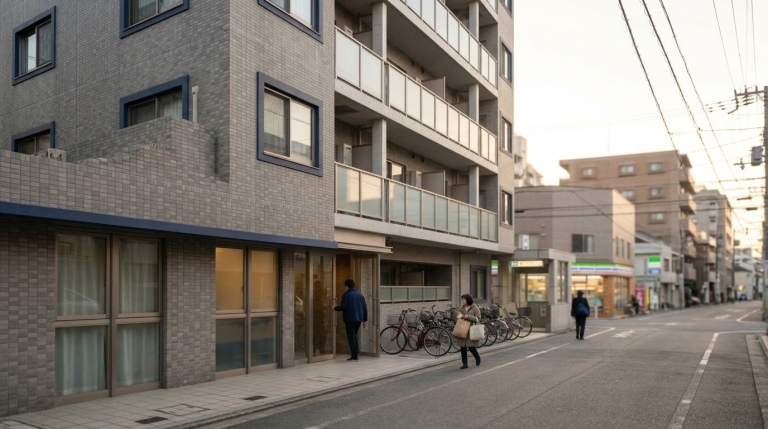
Japan's housing market is grappling with an oversupply crisis, marked by nearly 9 million vacant properties and an 80% surge in vacancy rates over two decades. This trend, driven by demographic shifts like declining birth rates, poses economic and safety challenges. Potential solutions, such as foreign investment or immigration, are complicated by Japan's insular culture and economic considerations.
A resurgence in demand last year among Asia-based investors for commercial real estate in markets such as the US, Australia, mainland China, the UK and Japan, led to activity that surpassed 2019’s pre-pandemic volume. New data from CBRE shows that after a muted 2020, Asian outbound investment in the asset class rose 69% year-on-year in 2021, to $54.6bn.
GA Technologies navigates Japan's aging real estate sector, focusing on digital transformation. Challenges persist in housing transactions due to preferences for physical inspections, contrasting rental and investment sectors embracing digitalization. Their explosive growth hinges on capturing the digital wave's potential and ambitious global expansion strategies. Leveraging acquisitions, like Dear Life Corporation, they aim to consolidate strengths in local markets, positioning themselves as a key player in the evolving global real estate landscape.